

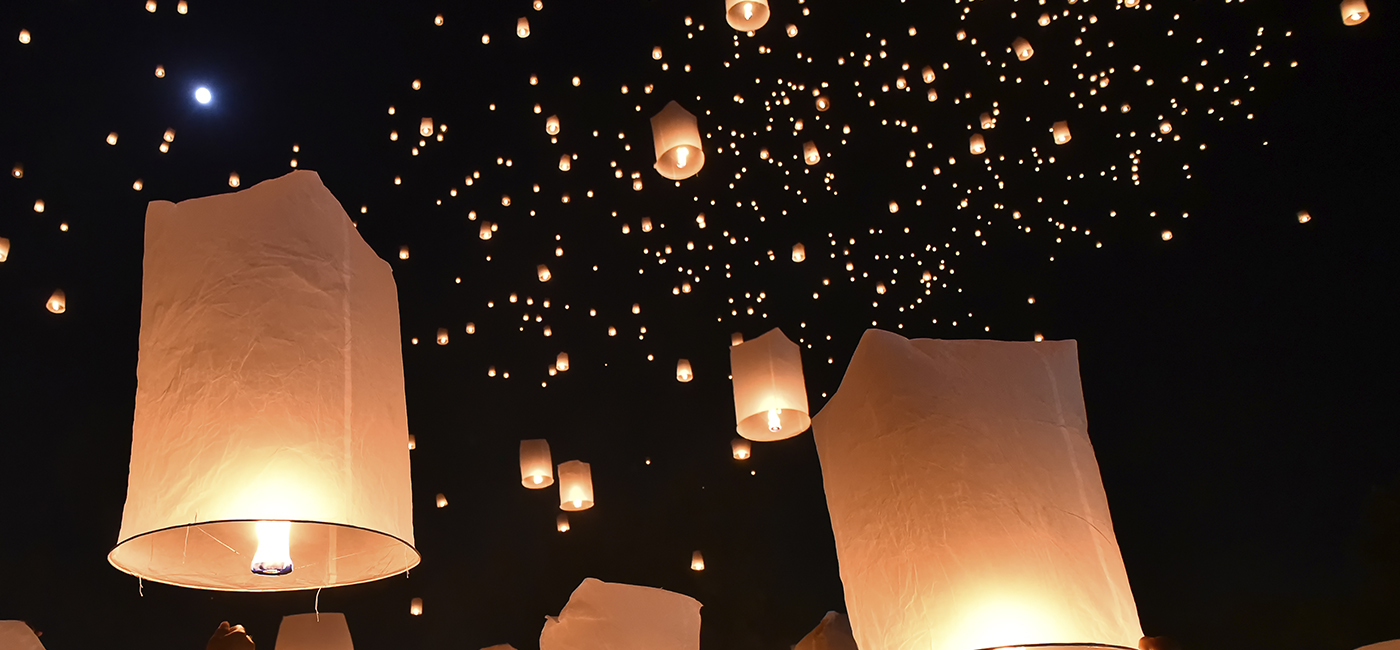
Yi Peng and Loi Krathong are two major traditions of Thailand, and the Lantern Festival in Chiang Mai is a perfect blend of these two age–old traditions. It is known for thousands of paper lanterns in the sky and decorated streets, floating flower boats, and religious activities. It is a wish, respect for tradition, and a link between local communities, visitors and Thai cultural heritage.
History and Meaning of Chiang Mai Lantern Festival
The Lantern Festival in Chiang Mai is connected with the traditions of Northern Thailand. The event brings together Yi Peng, a festival based on releasing sky lanterns, and Loi Krathong, a celebration focused on floating decorated boats on rivers and canals.
Both traditions are of a spiritual nature. The lanterns and the floating boats are all about releasing negativity, paying homage, and making wishes for the future. For many of the participants, the festival is a time to reflect, to give thanks, and to renew.
The festival is full of a flavor of religious rituals, traditional decorations, and community events. Temples, streets, and public places become places of gathering where people perform rituals and watch the celebrations.
Yi Peng Festival and Sky Lantern Tradition
Yi Peng is the part of the celebration that attracts worldwide attention because of the famous sky lantern releases. The lanterns are made from lightweight paper with a small fuel source at the bottom. When the flame heats the air inside, the lantern becomes lighter and rises into the sky.
The sky lantern tradition includes several important elements:
- Paper lanterns made from natural lightweight materials
- A small flame that creates hot air inside the lantern
- Wishes or personal thoughts connected with the release
- Group participation during the evening celebration
Loi Krathong Festival and Floating Decorations
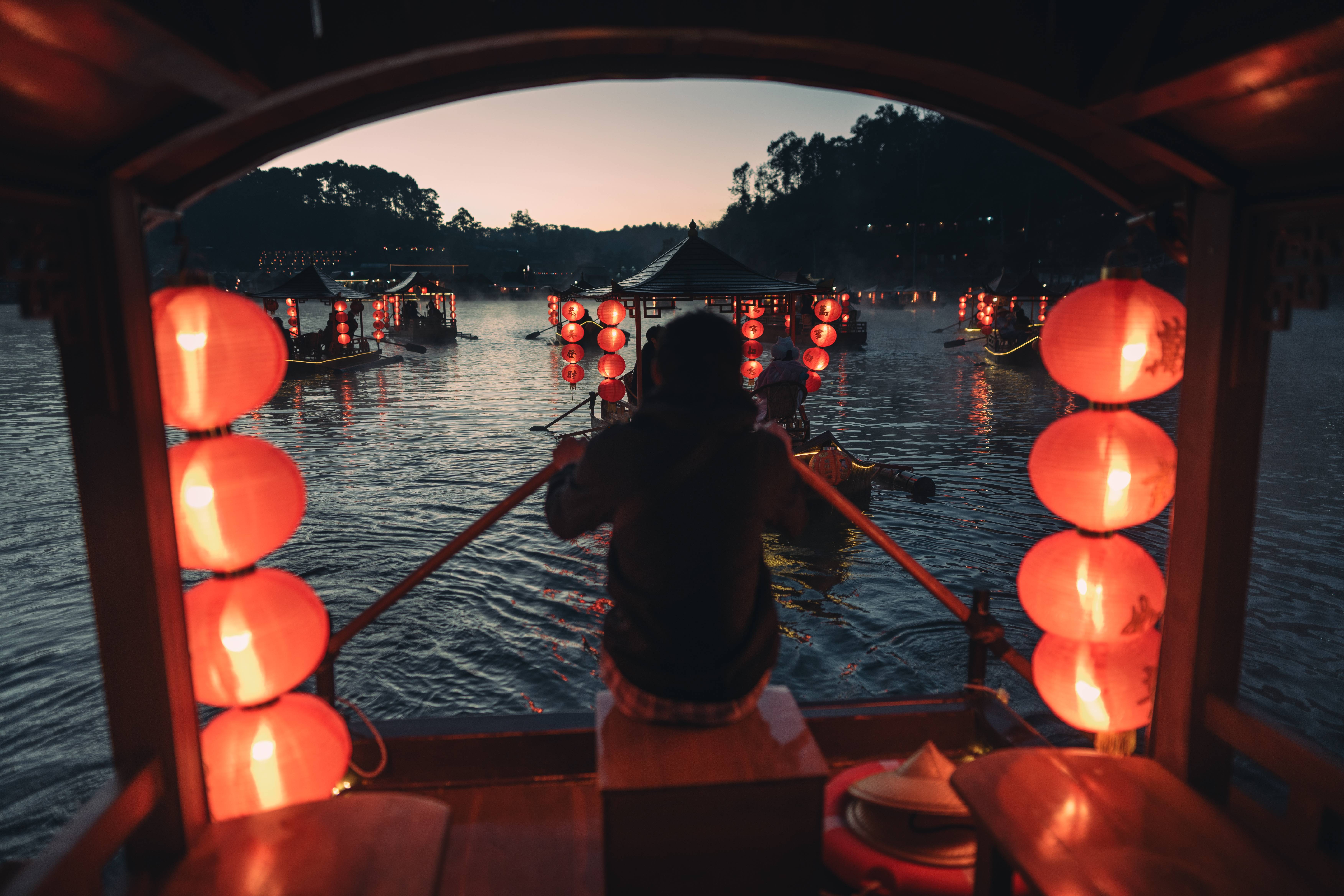
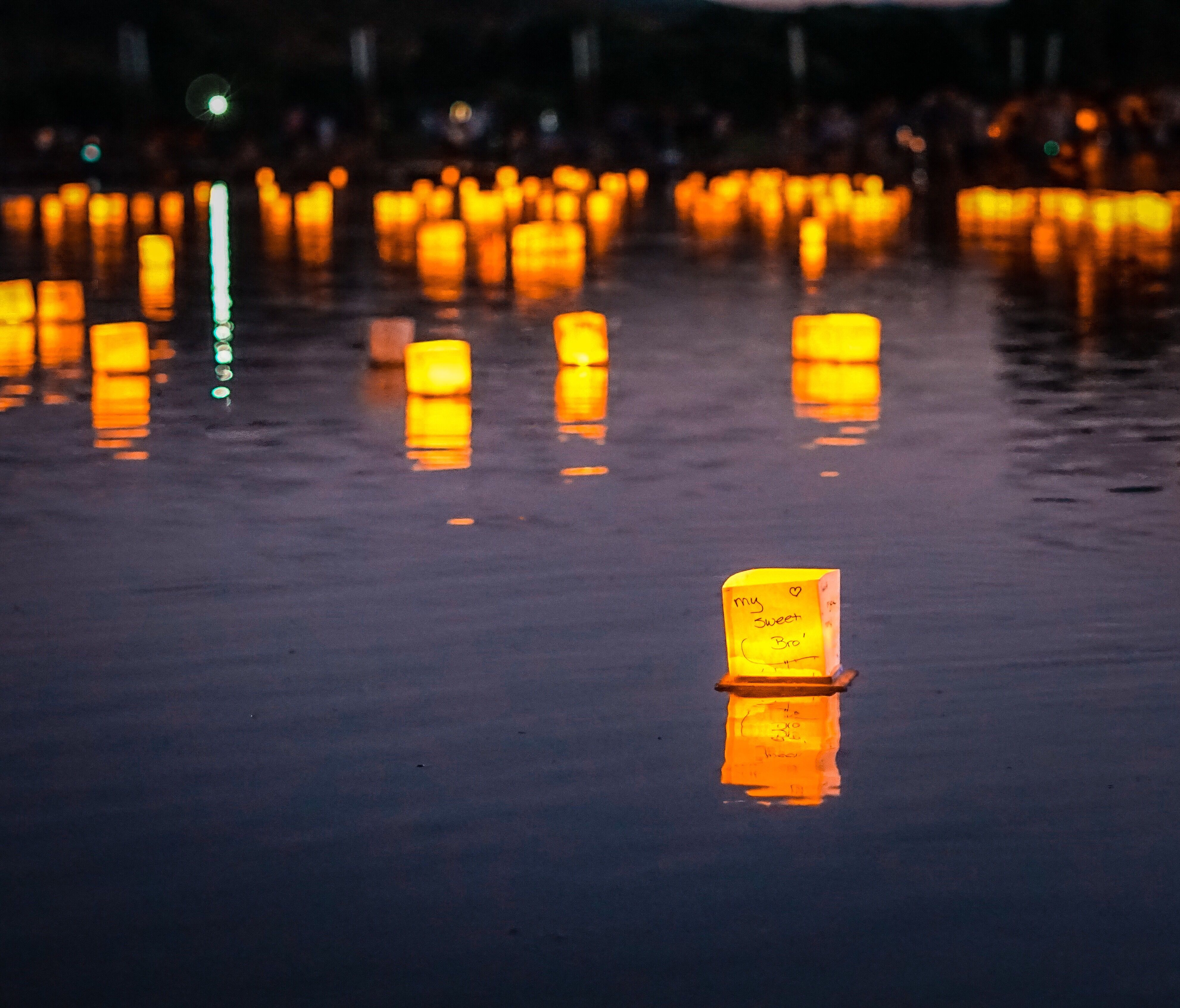
Loi Krathong is a huge part of the Chiang Mai Lantern Festival. Instead of sending lights skywards, participants launch small decorated boats on water. Usually, the boats, called krathongs, are made of natural materials such as banana leaves, flowers and parts of plants.
The Cultural Role of River and Light Celebrations
In Thai tradition water is of special significance. Loi Krathong is associated with respect for water sources and appreciation of nature.
The main features of Loi Krathong include the following
- Creating decorated floating boats from natural materials
- Lighting candles or incense on the krathong
- Making wishes or personal prayers
- Releasing the boat into the water during the evening
This tradition continues because it connects modern celebrations with older cultural practices. Families, local residents and travelers can all observe or participate in the ceremony.
Festival Atmosphere and Public Celebrations in Chiang Mai
The Lantern Festival in Chiang Mai changes the normal rhythm of the city. Streets become more crowded, decorations appear in many areas, and temples organize special activities. The event creates a mix of religious traditions and public celebration.
The festival is known for the crowds and thousands of lights, but its original meaning is still tied to community and spirituality. There are a lot of quiet old–fashioned things to do and not just what you see all over the internet.
Visitors to the celebration will be able to see many aspects of the Thai culture, including temple ceremonies, traditional decorations, and local customs.
Religious Ceremonies and Local Participation
Important places of the Lantern Festival are the temples. Monks participate in ceremonies with candles, prayers and lanterns. Such activities show the relationship between the festival and the Buddhist traditions in Thailand.
The event is still meaningful for many reasons, and one of the main reasons is local participation. The people are busy making decorations, making krathongs and joining in ceremonies with family and friends.
Visiting Chiang Mai During Lantern Celebrations
Chiang Mai Lantern Festival is a unique combination of cultural traditions and visual splendor, and visitors to the city during this time are in for a treat. The sky full of lanterns is a big draw for the event, but learning about what the celebration means makes it a more meaningful experience.
Planning is important, as well–known places can be very busy. In the evenings the streets around the rivers, temples, and places of celebration are usually very crowded.
Important things to consider during the festival:
- Arriving early to find comfortable viewing locations
- Respecting religious ceremonies and local customs
- Following safety rules when handling lanterns and candles
- Being careful with waste and natural areas
The festival requires patience because large groups of people gather in limited spaces. The crowds are also part of the special atmosphere showing how important the tradition remains for the city.
The Balance Between Tradition and Tourism
Now the Lantern Festival in Chiang Mai is different since more foreigners are coming. Many visitors now travel specifically to see the famous lights, take photographs and experience Thai culture.
But at the same time the event still follows local traditions. Religious significance, family involvement, and respect for nature are still integral parts of the celebration.
Cultural Importance of the Lantern Festival in Chiang Mai
The Chiang Mai Lantern Festival is more than a night of lights in the sky. It incorporates symbols of hope, respect, community and connection to nature. The Yi Peng and Loi Krathong combine to make a combination of many traditions.
The event continues to draw attention due to its visual beauty and cultural depth. Floating boats, temple ceremonies, and sky lanterns are all different experiences, all part of the same celebration.
In Chiang Mai the festival remains a key part of identity. It demonstrates how old traditions are passed down from generation to generation and how they can be recognized around the world.
The Lantern Festival in Chiang Mai is one of Thailand’s most recognizable cultural celebrations, due to the combination of light, water, and community participation. It is a bridge between the past and the present, where old traditions still provide meaningful experiences for people.